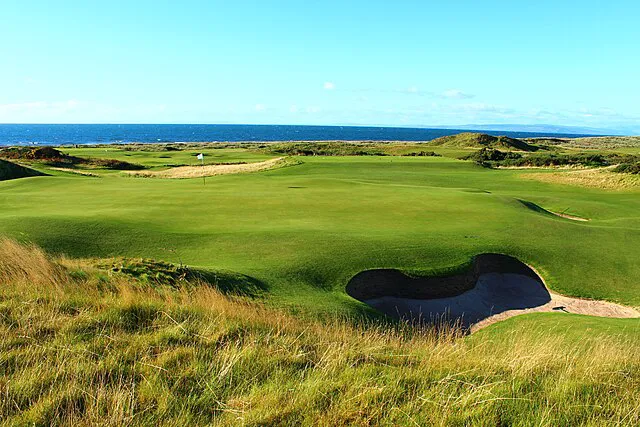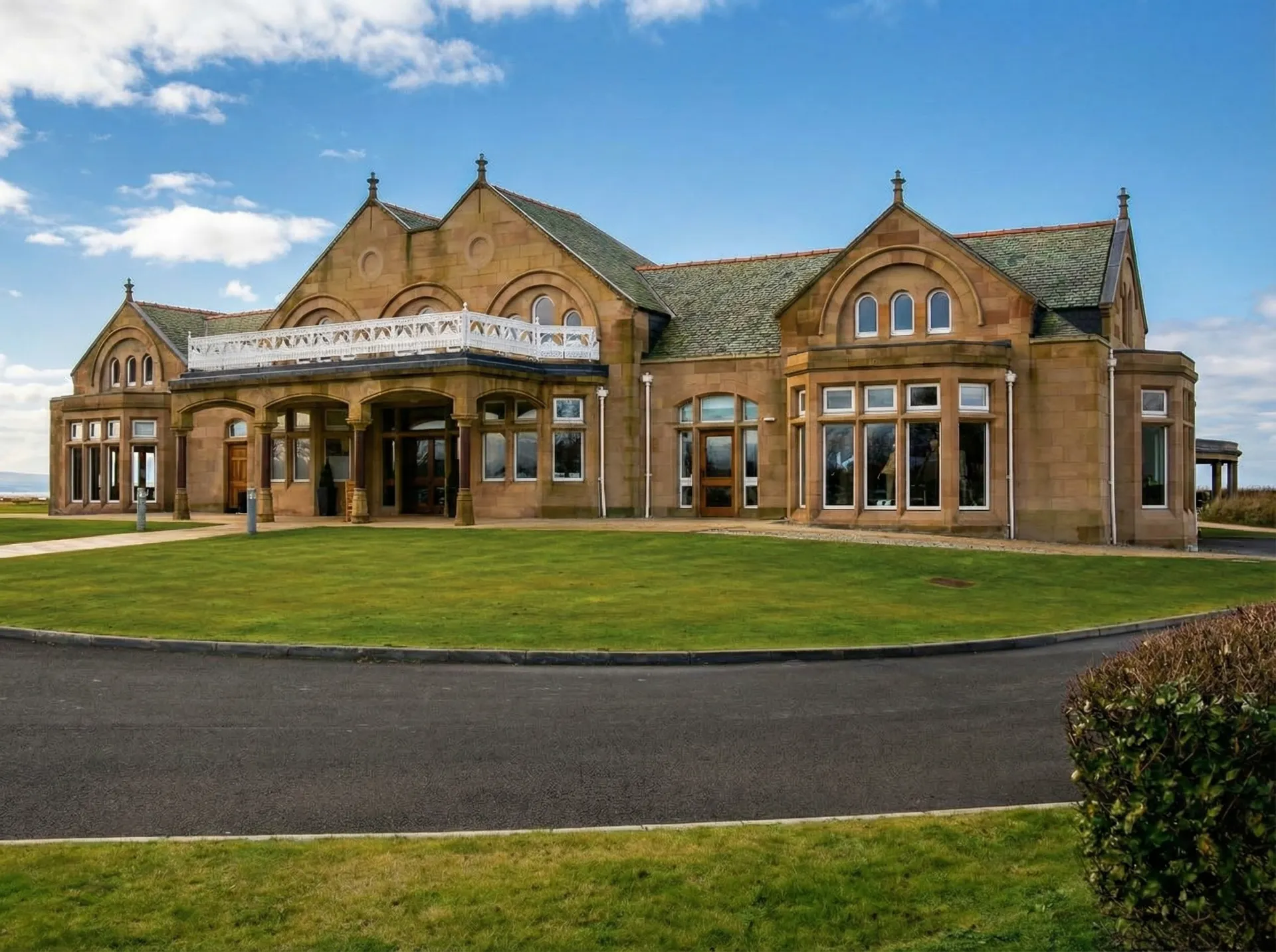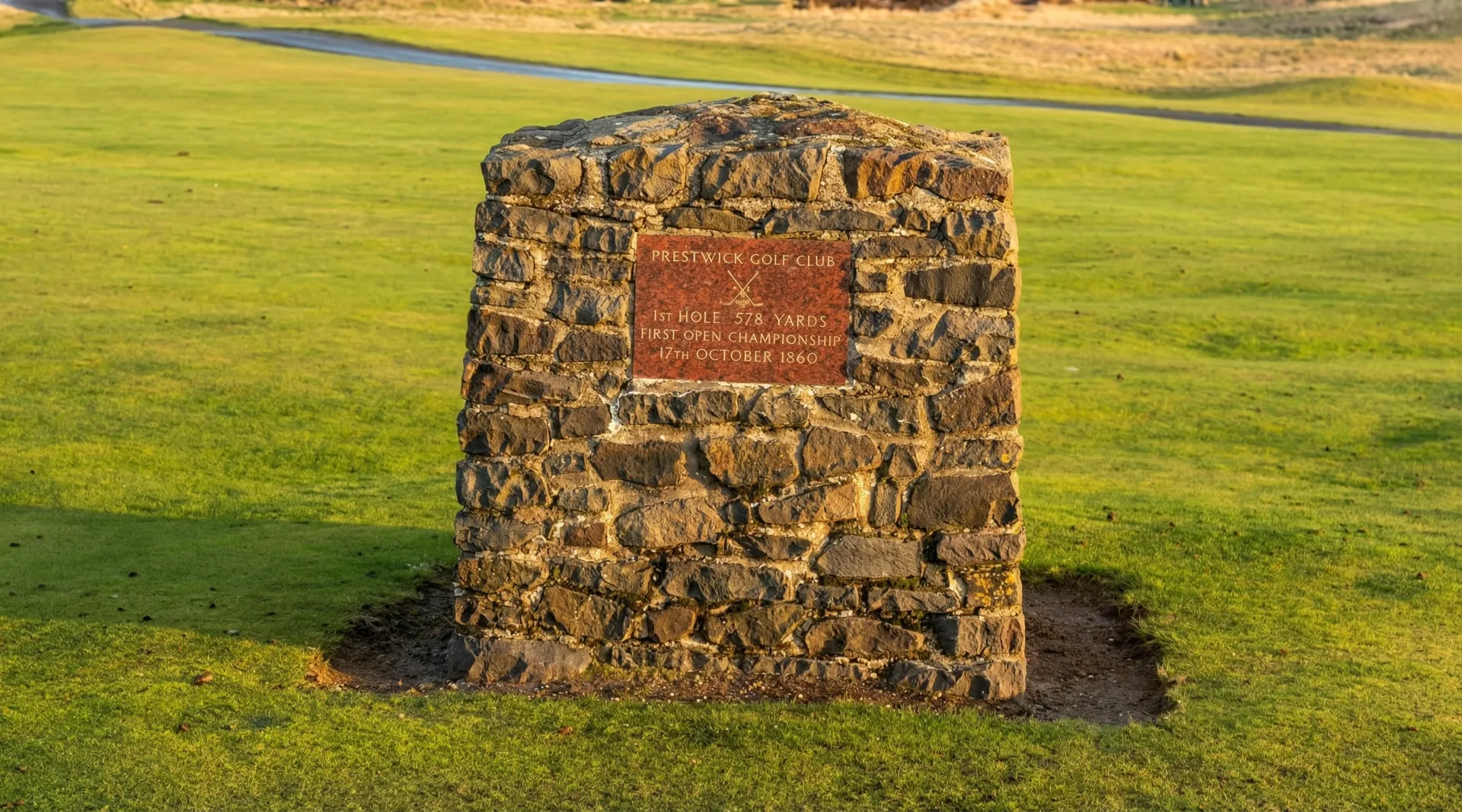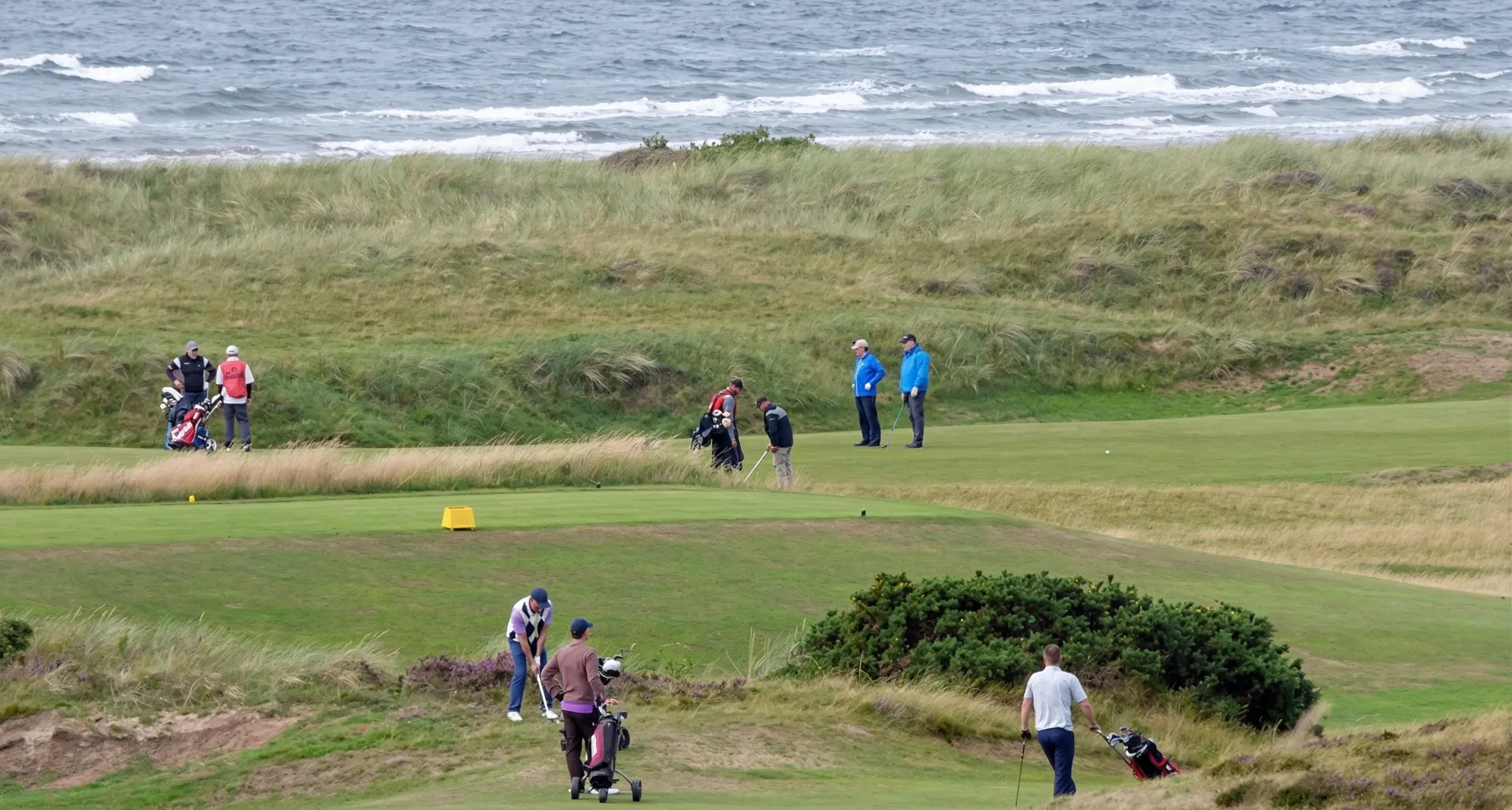
St. Andrews claims the title of golf’s spiritual home. The Ayrshire Coast doesn’t argue. It just points to the record: October 17, 1860, Prestwick Golf Club, eight professionals, three rounds of a 12-hole course, and the creation of what would become the Open Championship. The most consequential competition in golf was born on this windswept stretch of the Firth of Clyde, and the coastline has been producing championship tests ever since.
Within thirty miles of linksland, three Open Championship venues sit practically within iron range of each other: Prestwick, where Old Tom Morris laid out the original course in 1851 using a bundle of feathers to mark the greens; Royal Troon, where the Postage Stamp has been humiliating professionals for over a century; and Turnberry, where Nicklaus and Watson staged the Duel in the Sun in 1977 and Martin Ebert’s recent renovation made the Ailsa course arguably the most visually stunning links in Britain. No other stretch of coastline on earth concentrates this much major championship history into so compact a geography.
But Ayrshire is not a museum. The courses here are bounded by active railway lines, backed by working towns, and swept by weather that arrives from the Atlantic with genuine hostility. The gorse is bright yellow and wants your golf ball. The turf is firm, sandy, and drains fast enough to play through anything the sky delivers. And tucked across the Firth on the Isle of Arran, a 12-hole Willie Fernie design called Shiskine exists purely to remind visitors that golf was supposed to be fun.
This is not the polished Scotland of St. Andrews resort packages. Ayrshire is links golf with its sleeves rolled up, played on land that shaped the professional game before anyone thought to monetize the history.
The Courses Worth Playing
| Course | Green Fee | Access | Booking Window | One-Line Take |
|---|---|---|---|---|
| Turnberry (Ailsa) | £315–£1,000 | Resort | 12+ months | The most spectacular coastal routing in Britain, with a price tag to match |
| Royal Troon (Old) | £365–£395 | Private (Mon/Tue/Thu) | 12–18 months | The Postage Stamp and a back nine that doesn’t care about your handicap |
| Prestwick | £340–£380 | Private (select days) | 12 months | Blind shots, railway sleepers, and the literal birthplace of the Open |
| Western Gailes | £310–£335 | Semi-Private | 6–12 months | Pure links squeezed between the railway and the sea |
| Shiskine | £40–£42 | Public | 1–3 months | Twelve holes of joy on the Isle of Arran |
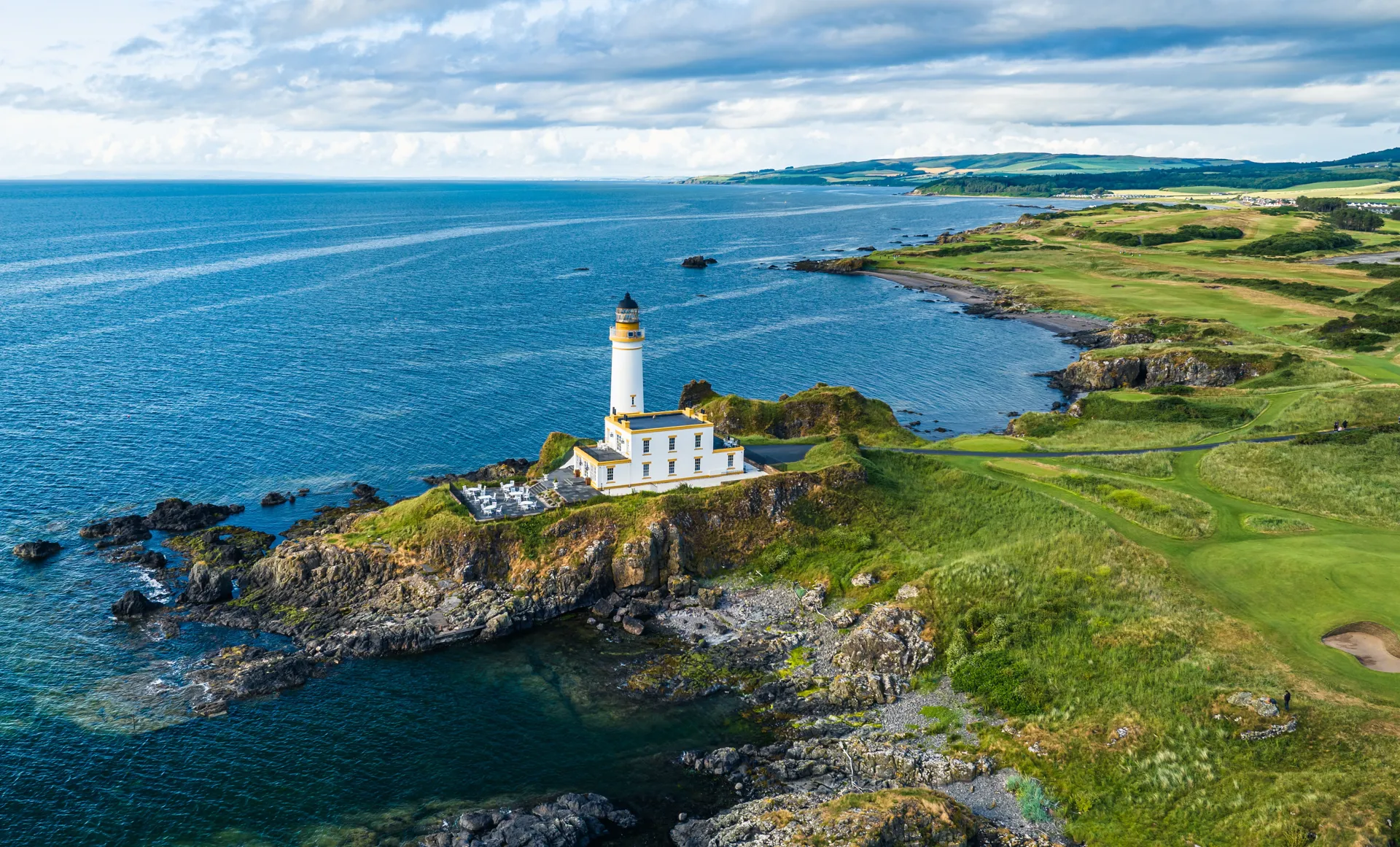
Turnberry (Ailsa) occupies the most dramatic real estate on the Ayrshire Coast. Martin Ebert’s renovation maximized the cliff-edge topography, most memorably turning the 9th into a par 3 played over a rocky inlet toward the iconic lighthouse with Ailsa Craig looming in the distance. The Ailsa is an extraordinarily difficult championship test, exposed to full ocean winds on nearly every hole, with views of the Isle of Arran and the volcanic plug of Ailsa Craig that would be distracting if the course weren’t demanding absolute concentration. Caddies are highly recommended. The controversy is the cost: non-resort guests face a green fee that peaks at £1,000 for morning tee times, a number that has generated considerable debate. Resort guests pay roughly £425. The course itself makes an argument that few in Scotland can match. Whether that argument justifies the remaining difference is a question every golfer answers individually.
Royal Troon (Old Course) lulls visitors with a relatively gentle front nine played along the Firth of Clyde, then delivers one of the most punishing back nines in championship golf. The inward stretch plays directly into the prevailing northwesterly wind, transforming what felt like a pleasant links walk into a genuine survival exercise. The 8th hole, the Postage Stamp, is 123 yards of pure dread: a tiny green guarded by pot bunkers deep enough to require a ladder. The hole is so short that caddies sometimes hand over a wedge and simply nod toward the flag, because there is nothing else to say. Access is tightly controlled. Visitors play only on Mondays, Tuesdays, and Thursdays, with a maximum handicap requirement of 20 for men and 30 for women. Book 12 to 18 months ahead and build the rest of the trip around the tee time Troon gives you.
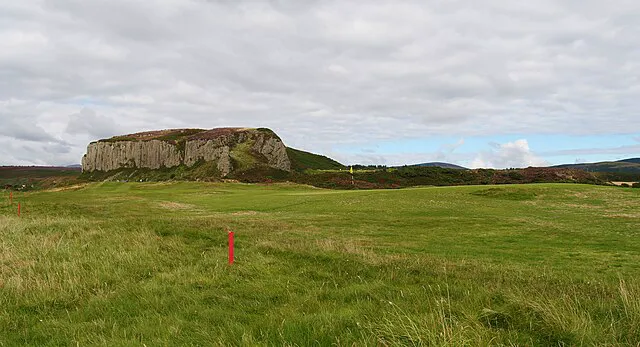
Prestwick is the living museum of championship golf. Old Tom Morris’s 1851 routing retains its Victorian idiosyncrasies: massive sleeper-faced bunkers, severely undulating greens, and blind shots where a caddie is not a luxury but a navigational necessity. Prestwick hosted the first 12 consecutive Open Championships and 24 in total before leaving the rota in 1925, and features like the Alps hole and the Sahara bunker are architectural templates that influenced course design worldwide. The course will frustrate golfers who demand clear sightlines and predictable setups. It will enchant anyone who understands that the Open Championship didn’t emerge from polite, predictable terrain. Maximum handicap: 24 for men, 28 for women.
Western Gailes occupies a narrow strip of linksland between Irvine Bay and the Glasgow-to-Ayr railway line, and many purists consider it the most consistently excellent course on the coast from first tee to final green. The routing unfolds in a figure-eight from a central clubhouse, with three directional changes that deliver three entirely different wind experiences, with the coastal stretch from the 5th through the 13th delivering links golf of the highest order. The par-5 6th is widely regarded as one of the finest holes in Scotland. At roughly £310, it represents the strongest value among Ayrshire’s marquee courses and provides a severe test of ball-striking, particularly when crosswinds rake the narrow property.
Shiskine, reached by a CalMac ferry from Ardrossan to the Isle of Arran, is the palate cleanser the itinerary needs. Willie Park Jr.’s routing covers just 12 holes, features dramatic elevation changes, and delivers iconic moments like Crow’s Nest and Himalayas that pack more character into two hours than some courses manage in five. At £42, it costs less than a caddie tip at Turnberry. The scenery is spectacular, the atmosphere is completely relaxed, and the round is finished before lunch. Every serious Ayrshire itinerary should include it, not despite the ferry crossing, but because of it.
The dining scene along the coast rewards exploration beyond the clubhouses. Scotts Bar & Restaurant overlooks the Troon Marina with an eclectic menu of fresh local seafood and natural wood interiors. The Kirkmichael Arms, a Michelin-recommended country pub 25 minutes inland, serves seasonal Scottish dishes beside log fires that make the post-round pint feel earned. Lido offers Mediterranean-influenced cooking with views of Troon Harbour. The Fox & Willow in Ayr delivers elevated gastropub fare and excellent cocktails in a stylish setting. And The Red Lion in Prestwick, where the competitors in the inaugural Open Championship dined in 1860, still serves pints and pub grub beneath the same roof. The continuity between past and present here is not manufactured for tourists. It is simply how the place works.
Planning the Trip
When to Go
| Window | Why |
|---|---|
| Jan–Mar ❄️ Avoid | Cold, wet, and windy; courses enforce fairway mats to protect turf; severely limited daylight |
| Apr 🌤️ Good | Season opens with firm links and exceptional value, but cold snaps and late gales remain likely |
| May ☀️ Prime | Arguably the best month: dry conditions, bright yellow gorse in bloom, long days, pre-peak crowds |
| Jun ☀️ Prime | Sunrise at 4:30 AM and sunset at 10 PM; courses in peak condition; 36-hole days easily managed |
| Jul–Aug 🌧️ Good | Warmest temperatures (65°F highs) but peak pricing, maximum crowds, and surprisingly frequent summer rain |
| Sep ☀️ Prime | Crowds thin, courses remain fully grown-in, atmospheric light; widely regarded as the ideal links month |
| Oct–Nov 🌧️🌬️ Avoid | Days shorten dramatically, heavy rain returns, conditions deteriorate; value rates apply but the experience suffers |
Open Final Qualifying rounds are frequently held at nearby Ayrshire courses in late June or early July, which may restrict tee-time availability at secondary venues.
Getting There and Getting Around
Glasgow International (GLA) is the practical choice for most travelers, roughly 45 minutes by car from Troon and Ayr. Major carriers serve GLA with direct flights from North America and Europe. Glasgow Prestwick (PIK) sits in the heart of the golf region, ten minutes from Royal Troon, but serves almost exclusively low-cost European carriers like Ryanair. Edinburgh (EDI) works as a fallback at roughly two hours by car with excellent flight connectivity.
A rental car is essential. Troon, Prestwick, Western Gailes, and nearby Barassie are all within 10 to 20 minutes of each other. Turnberry sits roughly 40 minutes south. The Isle of Arran requires a CalMac ferry from Ardrossan, about an hour crossing. The flexibility to reach restaurants, castles, and the Arran ferry on your own schedule is worth far more than any shuttle arrangement.
After landing at GLA, the smart arrival-day play is a calibration round at Kilmarnock (Barassie) or Gailes Links: genuine links conditions at £85 to £180, no handicap restrictions, and low enough stakes to adjust to the turf and wind before the marquee rounds begin.
Six Days on the Ayrshire Coast
| Day | Morning | Afternoon | Evening |
|---|---|---|---|
| 1 — Arrival | Arrive GLA; drive 45 mins to Ayrshire | Calibration round at Kilmarnock (Barassie) | Scotts Bar & Restaurant, Troon Marina |
| 2 — The Birthplace | Prestwick Golf Club | Robert Burns Birthplace Museum, Alloway | Pints and pub dinner at The Red Lion, Prestwick |
| 3 — The Island | Ferry from Ardrossan to Isle of Arran | 12 holes at Shiskine Golf & Tennis Club | The Kirkmichael Arms (25-min drive inland) |
| 4 — The Test | Royal Troon (Old Course) — book on Mon/Tue/Thu | Explore Troon high street, rest | Lido, Troon Harbour |
| 5 — The Spectacle | Turnberry (Ailsa) | Culzean Castle en route back to base | The Fox & Willow, Ayr |
| 6 — Departure | Western Gailes | Drive to GLA for afternoon departure | — |
This sequence is deliberate. Barassie on arrival day establishes links conditions at low cost and zero pressure. Prestwick on Day 2 grounds the trip in history before the bigger tests arrive. The Arran day provides a change of pace and scenery before back-to-back championship rounds. Royal Troon occupies the midweek slot because visitor access is restricted to Mondays, Tuesdays, and Thursdays. Turnberry earns the Day 5 morning, when the Ailsa’s coastal drama is at its most vivid and legs still have enough left for the walk. Western Gailes on departure day delivers a pure links finish without the logistical stress of an afternoon flight from GLA.
Budget Tiers
| Category | Smart Play ($2,500–$3,200) | Full Experience ($5,500–$6,500) |
|---|---|---|
| Lodging | Old Loans Inn or local B&B (~$150/night) | Turnberry Resort or Dundonald Links Lodges (~$500+/night) |
| Golf | Barassie, Western Gailes, Prestwick, Shiskine, Turnberry (PM rate at £545) | Turnberry (AM), Royal Troon, Prestwick, Western Gailes, Shiskine |
| Dining | $80/day (pubs, local restaurants) | $200/day (resort dining, top gastropubs) |
| Caddies | Self-carry at most courses; caddie at Prestwick only (~£70 + tip) | Caddie at all four mainland championship courses (~£70–£90 + tip each) |
| Transport | Rental car split among group (~$150 pp) | Private driver (~$600 pp) |
The Smart Play tier sacrifices Royal Troon (the most difficult course to access and the one requiring itinerary contortions to accommodate) and books Turnberry for an afternoon tee time rather than the morning peak rate, substituting excellent but more accessible semi-private clubs. The Full Experience secures every marquee course with caddies throughout. Both tiers include the Arran ferry and Shiskine, because skipping the island is not a savings worth making.
Booking Timeline
| When | Action |
|---|---|
| 12–18 months out | Secure tee times at Royal Troon and Prestwick; Troon inventory is exceptionally limited |
| 6–12 months out | Book Turnberry (AM or PM slot), lodging, and rental car; reserve Western Gailes |
| 3–6 months out | Book Barassie and Gailes Links; reserve caddies at all major courses |
| 1–3 months out | Book CalMac ferry to Arran and Shiskine tee times; reserve dinner at Kirkmichael Arms |
| 1–2 weeks out | Confirm caddie bookings and check weather for packing adjustments |
For Non-Golfers
Ayrshire is Burns Country, and that heritage provides the strongest non-golf draw. The Robert Burns Birthplace Museum in Alloway (roughly £12) includes the poet’s cottage, the Brig o’ Doon, and exhibitions that connect Scotland’s national bard to the surrounding landscape. Culzean Castle, a Robert Adam masterpiece perched on a cliff above the Firth with grounds stretching across 600 acres, easily fills a half-day (roughly £18). The castle’s connection to Eisenhower, who was gifted a top-floor apartment after World War II, adds an unexpected layer of transatlantic history.
The Isle of Arran is often called “Scotland in Miniature,” and non-golfers who make the ferry crossing can hike Goat Fell, visit Brodick Castle, or tour the Arran Distillery while the golfer tackles Shiskine. Spa options at Turnberry and The Gailes Hotel provide premium relaxation on rest days.
Honestly, Ayrshire is good but not exceptional for companions who don’t play. It lacks the dense urban culture of Edinburgh or the walkable charm of St. Andrews. It caters to outdoor enthusiasts and history buffs, and those companions will find genuine depth here. Others may find the options thin after the second day.
Why the Birthplace Still Calls
Ayrshire makes no effort to sell itself. There is no Welcome Center for the Golf Traveler, no coordinated marketing apparatus projecting luxury and exclusivity. The courses sit along the coast the way they have for over 160 years, bounded by railways and farmland and weather that hasn’t softened since Old Tom Morris first walked the Prestwick links.
That stubbornness is the point. St. Andrews has evolved into a global brand. East Lothian has polished its visitor infrastructure. Ayrshire remains what championship golf looked like before it became an industry: sandy turf, coastal wind, blind shots over dunes, and the expectation that the player will figure it out.
Three Open venues in thirty miles. A 12-hole island detour that costs less than a sandwich at the Turnberry clubhouse. The pub where the first Open competitors dined, still open, still pouring. The courses are not relics. They are active, evolving, occasionally infuriating playing fields that demand everything a golfer has and forgive almost nothing.
The wind on the Firth of Clyde was blowing before the Open Championship existed. It will be blowing long after. The only question is whether the golfer shows up to meet it.