
Pine Valley doesn’t have rough. It has consequences.
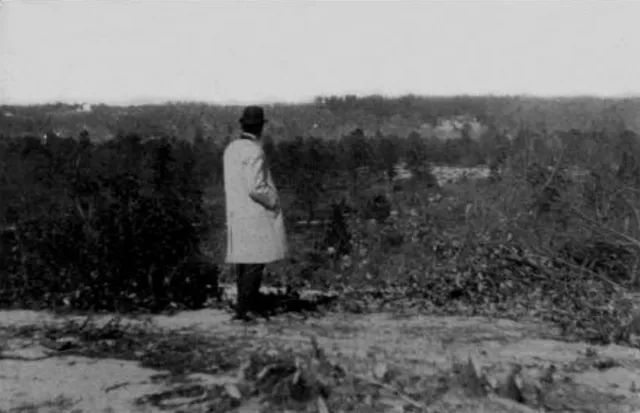
Miss a fairway here and you’re not hacking out of thick grass, calculating whether you can advance the ball 150 yards. You’re standing in sand. Or trees. Or searching for your ball in native scrub that looks like it hasn’t been disturbed since George Crump walked this land in 1912. The course doesn’t present options for recovery. It presents facts.
This is what separates Pine Valley from every other course routinely mentioned in “best in the world” conversations. Augusta National punishes mistakes with difficult recovery shots. Pebble Beach makes you think twice before attacking pins. Pine Valley simply says no. Hit the fairway or don’t bother. Find the green or reload. There’s no negotiation, no gray area between success and disaster.
The result is a golf course that’s been ranked #1 or #2 in the United States for as long as anyone’s been making lists—and a test that breaks tour players, scratch golfers, and anyone else who thought precision was something you deployed occasionally rather than demanded constantly.
Why Pine Valley Matters
Ben Hogan played Pine Valley once and called it “the finest course in the world.” Arnold Palmer kept returning throughout his career. Tom Doak, who’s built courses on six continents, puts it atop every ranking he publishes. When the world’s best players and most respected architects agree on something, skepticism becomes difficult.
The course opened in 1918 in the New Jersey Pine Barrens, about twenty miles east of Philadelphia. George Crump discovered the site, bought 184 acres, moved into a bungalow on the property, and spent the last six years of his life building what he envisioned as the ultimate test of golf. He died in 1918 with several holes unfinished. Hugh Wilson and his Philadelphia committee—the same group that created Merion—completed Crump’s vision.
What they built wasn’t particularly long even by 1918 standards. The course measures 6,765 yards from the championship tees. Tour players face courses 800 yards longer every week. Yet Pine Valley routinely humbles them. The course record stood at 66 for decades. When it finally fell, players spoke about the round with the kind of reverence usually reserved for major championship victories.
The reason has nothing to do with length. Pine Valley tests a golfer’s nerve and precision on every single shot. There’s no let-up, no breather hole, no opportunity to relax and bomb a driver knowing you’ll have room to work with. Fourteen holes require carries over sand, scrub, or water. The course doesn’t ask if you can execute—it requires proof eighteen times a round.
Pine Valley proved that penal architecture could be art. Crump built a course where every hole demanded commitment and punished indecision. Modern architecture has largely moved away from this philosophy, favoring strategic options and multiple routes to the hole. Pine Valley stands as reminder that golf doesn’t have to offer mercy to be magnificent.
The Design That Demands Perfection
The opening hole establishes terms immediately. It plays 427 yards, slight dogleg right, and asks you to hit a fairway that’s generous by Pine Valley standards—roughly 35 yards wide. Miss left and you’re in sand that extends forty yards from the tee. Miss right and you’re in more sand or trees. The approach plays to a green protected by four bunkers.
This is Pine Valley at its most forgiving. It gets harder.
The 5th hole might be the most discussed par-3 in American golf. It plays 226 yards, all carry over water and sand, to a green that slopes severely from back to front. The bail-out area is a narrow strip of fairway short and right. Everything else is hazard. Choose the wrong club and you won’t make par. Choose the right club and hit it poorly and you won’t make par. Choose the right club, execute well, and still miss the green and you probably won’t make par. The hole offers one path to success and dozens of ways to fail.
The 7th hole plays 585 yards and uses a different form of intimidation. The tee shot requires a carry of 180 yards over sand and scrub to reach the fairway. The second shot plays over a waste area that extends 120 yards. The approach must carry the infamous “Hell’s Half Acre”—a massive bunker complex that fronts the green. Three forced carries on a single hole. Tour players treat it like a par-5 and feel satisfied making four.
Pine Valley features eighteen variations on this theme. The 10th demands a perfect tee shot to a fairway island surrounded by sand. The 13th requires a carry over water and woods to a fairway barely visible from the tee. The 18th—a 428-yard par-4—plays uphill to a green set on a shelf, with sand and native scrub swallowing anything short or off-line.
The course doesn’t escalate difficulty gradually. It begins hard and maintains intensity for four hours. Every hole requires a good drive and a good approach. Every green demands proper distance control and the right angle of approach. There’s no weak par-5 where you can coast to birdie. There’s no drivable par-4 offering easy scoring. Pine Valley maintains standards that never waver.
What Makes It Impossible
The difficulty isn’t about one element—it’s about the accumulation of demands placed on every shot.
The carries are mandatory. Most courses feature hazards that can be avoided with safe play. Pine Valley’s hazards sit between the tee and the fairway, between the fairway and the green, between you and any score that won’t ruin your day. You can’t play around them. You can’t chip sideways and try again. You either clear them or you don’t play the hole.
The margins are minimal. Fairways average 30-35 yards wide—not unreasonable until you factor in what surrounds them. Modern tour setups might narrow fairways to 25 yards, but they typically use rough. Hit it in the rough and you’re probably still playing forward. Pine Valley uses sand and wilderness. Hit it off the fairway and you’re hitting three from the tee.
The greens demand precision. They’re not especially large—averaging around 5,500 square feet—and they’re typically elevated and contoured. Miss the green and you’re chipping from sand or hardpan back to a putting surface you can’t hold from the fairway. The course doesn’t give you the recovery shot that at least keeps you in the hole.
The pressure is relentless. Great courses feature rhythm—hard holes followed by scoring opportunities, tough stretches that ease before building to a climax. Pine Valley offers no such mercy. The 13th is harder than the 1st. The 15th—a 591-yard par-5—requires three perfect shots. The 18th will break you if you’ve somehow survived the previous seventeen.
Tour players speak about Pine Valley with a mix of reverence and relief. They respect its place in golf history. They appreciate its architectural significance. And they’re grateful they don’t have to play it under tournament conditions every week. The pressure of hitting every fairway, every green, managing every risk perfectly for eighteen holes—it exposes weaknesses that even the best players would rather not confront regularly.
The Influence That Shaped American Golf
Pine Valley’s impact extends far beyond its grounds in New Jersey. The course established penal architecture as a legitimate philosophy at a time when strategic design dominated thinking. While Charles Blair Macdonald and Seth Raynor built courses offering options and rewarding smart play, Crump built a course that demanded execution.
Later architects studied Pine Valley’s intensity. Robert Trent Jones Sr. incorporated elements of forced carries and penal hazards into his work. Pete Dye built courses—Harbour Town, TPC Sawgrass, Whistling Straits—that shared Pine Valley’s willingness to punish mistakes severely. Tom Fazio’s work at Shadow Creek and Wade Hampton echoes Pine Valley’s commitment to dramatic settings and demanding precision.
Modern architecture has largely moved away from Pine Valley’s severity. Most new courses emphasize width, strategic options, and multiple routes to success. Architects talk about playability for all skill levels and avoiding excessive penalties. Pine Valley stands as counterpoint—proof that golf doesn’t need to be democratic to be great.
The course also influenced how Americans think about course conditions and presentation. Pine Valley maintains itself impeccably. Fairways are fast and firm. Greens run at speeds that require touch and feel. The course presents as it was meant to be played—demanding excellence in every phase of the game. Other clubs studied Pine Valley’s standards and raised their own expectations.
Perhaps most importantly, Pine Valley proved that a great golf course doesn’t need ocean views, mountain backdrops, or natural drama to be unforgettable. The Pine Barrens landscape is scrubby, sandy, and relatively flat. Crump transformed it into something that’s haunted golfers for a century. He proved that great architecture could create memorability from terrain that other designers might dismiss.
If You Ever Get The Chance
Pine Valley is intensely private. There are roughly 1,000 members. Access requires an invitation from a member. You can’t pay for a round. You can’t book through a service. You need to know someone who knows someone—and even then, getting on the course demands patience, connections, and timing.
If that opportunity somehow materializes, understand what you’re facing. This isn’t a bucket-list round where you photograph every hole and post about the experience. This is four hours of concentrated pressure unlike anything else in golf. Prepare accordingly.
Bring extra golf balls. Forecaddies retrieve some wayward shots, but Pine Valley swallows plenty. Budget for losses.
Trust your caddie completely. Pine Valley caddies know every angle, every miss, every place where trouble lurks invisibly. Listen to them. The course reveals complexities that aren’t apparent from the tee.
Accept what the course will take from you. You will hit good shots that don’t matter because the previous shot failed. You will make mistakes that end holes before you’ve reached the green. Pine Valley doesn’t care about your usual game. It requires perfection and punishes anything less.
Remember that surviving is succeeding. Breaking 90 at Pine Valley matters more than breaking 80 anywhere else. The course measures golfers by different standards. Par here isn’t just a number—it’s an achievement.
The experience won’t be fun in any conventional sense. You’ll be nervous on every tee shot. You’ll question every club selection. You’ll finish exhausted from the mental strain of trying to avoid disaster for four solid hours. And you’ll understand why Ben Hogan, Arnold Palmer, and Tom Doak all said the same thing: it’s the finest test of golf in the world.
What Pine Valley Knows
Most great courses ask questions. Pine Valley states requirements. It doesn’t wonder if you can hit a 4-iron 210 yards over water—it insists you prove it or move along. The course doesn’t negotiate with reality. It establishes standards and dares golfers to meet them.
This philosophy feels increasingly rare. Modern golf emphasizes enjoyment, playability, pace. Courses widen fairways and reduce penalties because customer satisfaction matters more than challenging the best players. Pine Valley predates these concerns. It was built by a man who wanted to create the ultimate examination of golf, and everything else—accessibility, ego, enjoyment—came second.
The result is a course that doesn’t care if you like it. Tour players don’t always enjoy Pine Valley. Scratch golfers sometimes leave frustrated. The course wasn’t designed to make anyone feel good about their game. It was designed to reveal truth: golf is hard, perfection is rare, and excellence requires more than talent.
Pine Valley has spent 107 years saying no. No shortcuts. No excuses. No mercy for good intentions that don’t produce good results. The course asks one question: can you do this? Everything that happens afterward is just golf providing an answer.
Most courses are willing to lie a little—to flatter you with birdie chances, to soften the blow of mistakes, to suggest you’re better than you actually are. Pine Valley tells the truth. That’s why it matters. That’s why it’s ranked #1. And that’s why even great players speak about it with something approaching fear.