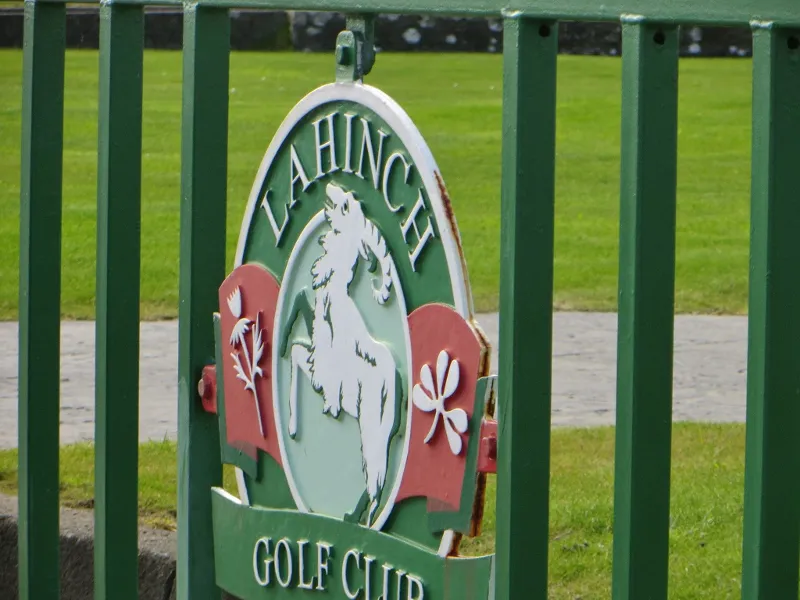
Lahinch Golf Club keeps goats. Not as mascots or decoration. As weather predictors. When the goats come down from the hills and shelter near the clubhouse, rain is coming. The goats know before meteorologists do. Members trust them more than forecasts. This is Ireland accepting that some knowledge comes from observing animals rather than reading apps.
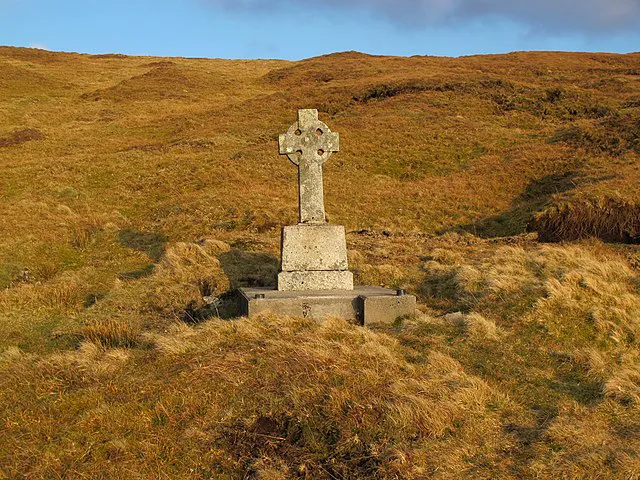
The 5th hole—“The Dell”—is completely blind. You can’t see the green from the tee. You aim at a stone marker and hope. The approach is equally blind—a white stone on a hillside shows the line. This violates every modern design principle about visibility and fairness. Lahinch keeps it anyway because Old Tom Morris put it there and changing it feels wrong.
Alister MacKenzie redesigned Lahinch in 1927, creating a course that combines natural links terrain with strategic brilliance. The front nine plays mostly inland, building rhythm before the back nine follows the coastline and delivers the dramatic golf Ireland is famous for. MacKenzie preserved quirks like the Dell while creating strategic golf that’s aged remarkably well.
This is Lahinch: goats, blind holes, MacKenzie’s genius, and links golf that doesn’t apologize for being different. Some courses chase modernity. Lahinch stays exactly what it’s been for nearly a century—eccentric, challenging, and impossible to forget.
MacKenzie’s Irish Masterwork
MacKenzie designed courses on six continents, but his work at Lahinch showcases links architecture in purest form. He routed holes through massive dunes, preserved quirky features that would horrify modern architects, and created strategic golf that rewards thinking as much as ball-striking.
The opening stretch establishes expectations. The 1st through 6th holes play through and over dunes, with fairways that tilt and greens that sit in natural bowls. The golf is challenging but reasonable—links terrain without excessive penalty. Then comes the 7th through 14th stretch that follows the Atlantic coastline and makes Lahinch memorable.
The 7th—“The Dell”—is golf’s most famous completely blind hole. Drive over a dune to a fairway you can’t see. Approach over another dune to a green hidden in a natural dell. The only guidance is a white stone on the hillside showing the proper line. It’s absurd by modern standards. It’s also thrilling in ways perfectly visible holes aren’t. The uncertainty creates tension that visibility eliminates.
The back nine follows the coast, providing ocean views and strategic golf that demands precision. The 13th—“The Klondyke”—features another massive dune fronting the green. The 14th plays along the water, with the Atlantic providing both beauty and intimidation. These holes showcase what makes Irish links golf special—natural terrain, firm conditions, strategic interest that doesn’t depend on manufactured features.
MacKenzie’s genius was recognizing what to change and what to preserve. He could have eliminated the Dell. He could have softened the Klondyke. Instead, he kept these quirky features while creating strategic golf throughout the rest of the course. The result is links architecture that honors tradition while providing modern challenge.
What Makes Lahinch Special
Ireland features dozens of quality links courses. Ballybunion, Portmarnock, Royal County Down, and Portrush draw more international attention. Lahinch competes through personality rather than perfection. The goats, the Dell, MacKenzie’s routing, and the clubhouse atmosphere combine to create experience rather than just eighteen holes.
The goats are real. They graze on the hills surrounding the course. When weather turns bad, they descend and shelter. Members have observed this pattern for generations. It works more reliably than meteorological services, which says something about Ireland’s weather and the wisdom of letting animals with thick coats tell you when to seek shelter.
The Dell is genuinely blind. Modern architects would never build it—insurance concerns, playability complaints, pace of play issues. Lahinch maintains it because removing the Dell would feel like vandalism. The hole is part of the course’s identity. Changing it would make Lahinch more conventional and less memorable. That trade-off doesn’t interest anyone.
The Atlantic coastline provides drama without dominating. The ocean is visible and intimidating but not constantly in play the way it is at Pebble Beach or Cypress Point. The water creates atmosphere rather than hazard. This allows focus on the golf while enjoying the setting—ideal balance between aesthetics and competition.
The firm conditions demand ground game. Lahinch plays fast and firm, particularly during summer. Drives bounce and roll. Approach shots must account for runout. Bump-and-run shots work better than high, spinning approaches. This is links golf as it’s meant to be played—where the ground matters as much as the air.
Getting There and Playing
Lahinch sits on Ireland’s west coast in County Clare, roughly ninety minutes from Shannon Airport. The town of Lahinch is small, built around golf and surfing, offering accommodations from basic B&Bs to comfortable hotels. This is rural Ireland—no luxury resorts or manufactured golf tourism infrastructure.
The course welcomes visitors with advance booking. Green fees run around €250-300 during peak season—expensive but standard for quality Irish links. Summer tee times fill months ahead. Shoulder seasons offer better availability and often better conditions as courses firm up after winter rains.
Pack for Irish weather. The goats will warn you, but come prepared anyway. Wind, rain, sun, and cold can all happen in single rounds. Waterproofs, extra layers, and acceptance that conditions will change are essential.
Play from appropriate tees. Championship tees measure over 7,000 yards and are unnecessarily brutal for casual play. Medal tees around 6,600 yards provide sufficient challenge without becoming masochistic.
Trust the Dell. The blind 5th hole feels wrong until you accept the absurdity. Aim at the marker, hit reasonable shot, see what happens. Stress about visibility won’t change anything. Embrace the quirk.
Appreciate MacKenzie’s brilliance. You’re playing a course designed by one of history’s greatest architects, maintained largely as he envisioned it. The routing, the strategic bunkering, the green complexes—this is MacKenzie’s work preserved.
Combine with other courses. Lahinch sits near Ballybunion (90 minutes), Doonbeg (30 minutes), and other quality links. Ireland’s west coast offers enough golf to justify week-long trips focused entirely on links courses.
What The Goats Know
Lahinch could modernize. Eliminate the Dell, update the clubhouse, rebrand as luxury destination. The course could join the circuit of Irish courses that cater to international golf tourism with premium pricing and resort amenities. Some members probably advocate for exactly this.
Instead, Lahinch stays Lahinch. The goats remain. The Dell stays blind. MacKenzie’s routing is preserved. And the course operates as links golf destination for people who appreciate quirk, strategy, and links architecture in relatively pure form.
This isn’t the best links course in Ireland—that argument involves Ballybunion, Royal County Down, Portmarnock, and others. Lahinch is simply one of the most memorable. The goats predicting weather. The completely blind hole that shouldn’t exist but does. MacKenzie’s genius preserved for ninety-seven years. And links golf that rewards thinking, punishes carelessness, and makes you glad you traveled to Ireland’s west coast.
The goats will tell you when rain is coming. The Dell will confound and delight you. MacKenzie’s routing will demonstrate why he’s considered one of golf’s great architects. And Lahinch will prove that great golf courses don’t need perfection—they need personality, challenge, and commitment to identity that doesn’t compromise for convenience or convention. The goats have known this for generations. Lahinch trusts them more than modern thinking. Visit and you’ll understand why.